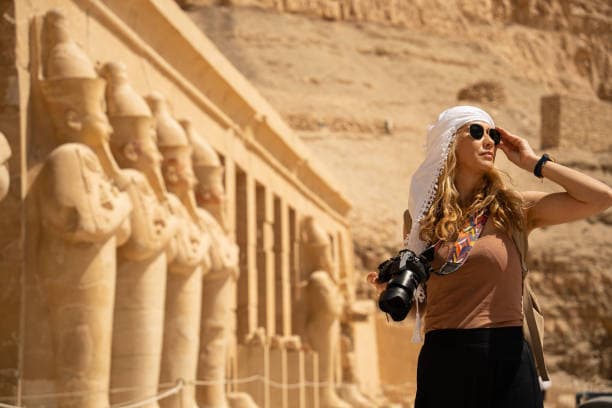
Karnak Temple Guide 2026: Explore Egypt's Largest Ancient Temple Complex
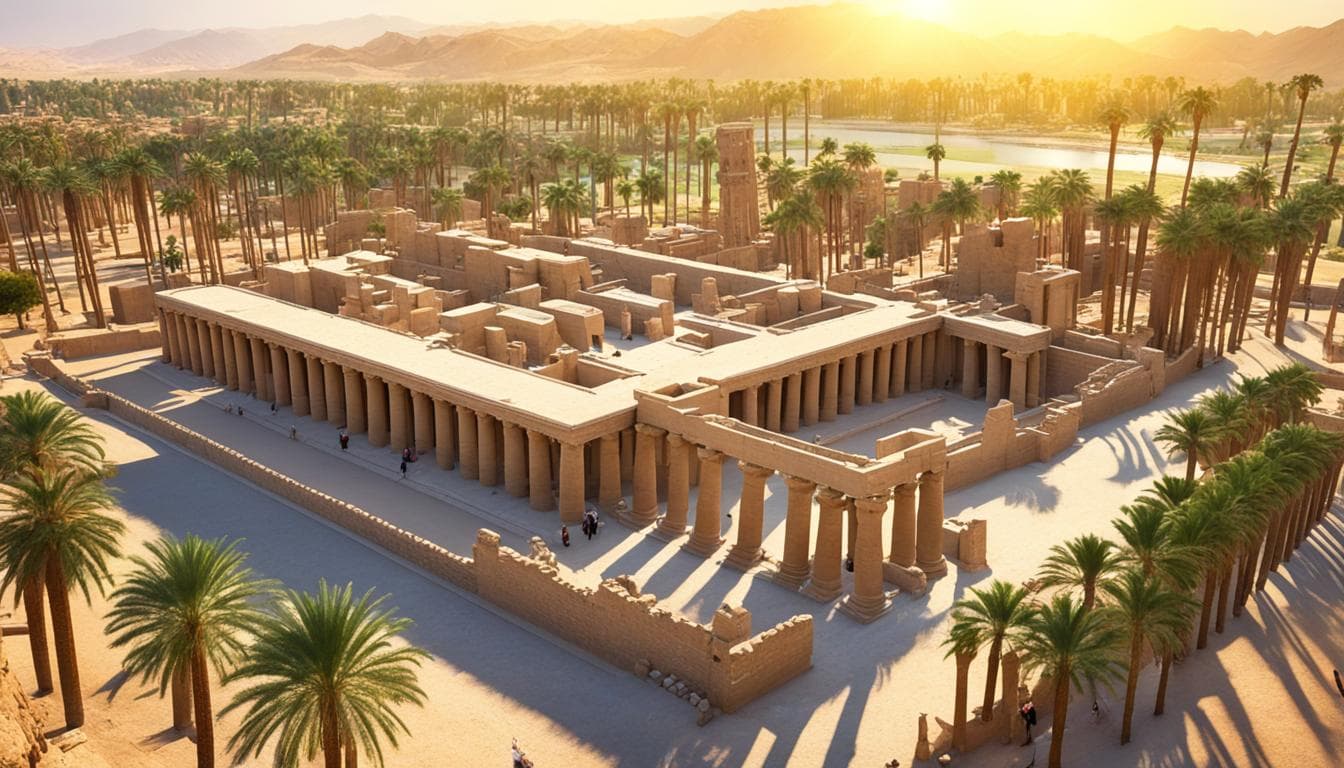
Karnak Temple Guide: Discover Egypt's Greatest Temple Complex
Rising majestically on the east bank of the Nile River, Karnak Temple is one of the most extraordinary archaeological sites in the world. Covering more than 100 hectares (247 acres), it is the largest religious complex ever built and one of Egypt's most visited attractions.
Construction at Karnak continued for nearly 2,000 years, with more than 30 pharaohs contributing to its temples, pylons, obelisks, shrines, and statues. Dedicated primarily to Amun-Ra, the king of the Egyptian gods, Karnak reflects the power, wealth, and spiritual beliefs of ancient Egypt at its height.
Today, visitors can wander through towering columns, sacred lakes, monumental gateways, and beautifully carved walls that tell the story of one of history's greatest civilizations.
Why Visit Karnak Temple?
Karnak Temple is not just one temple—it is an entire sacred city built over centuries.
Reasons to visit include:
Explore the largest temple complex in Egypt
Walk through the famous Great Hypostyle Hall
See enormous obelisks
Visit the Sacred Lake
Discover the Avenue of Sphinxes
Learn about ancient Egyptian religion
Experience one of Luxor's UNESCO World Heritage Sites
It is an essential stop on any Luxor itinerary.
The History of Karnak Temple
Construction began around 2000 BC during the Middle Kingdom and continued until the Ptolemaic Period.
Successive rulers expanded the complex, including:
Senusret I
Hatshepsut
Thutmose III
Seti I
Ramses II
Ramses III
Taharqa
Ptolemaic kings
Rather than replacing earlier buildings, each ruler added new temples and monuments, creating the vast complex visitors see today.
The Great Hypostyle Hall
The Great Hypostyle Hall is Karnak's most famous feature and one of the greatest architectural achievements of the ancient world.
Highlights include:
134 massive sandstone columns
Columns reaching 23 meters (75 feet) high
Intricate hieroglyphic inscriptions
Beautiful carvings depicting pharaohs and gods
Walking through the hall feels like stepping into a stone forest.
The First Pylon
The monumental First Pylon marks the entrance to Karnak Temple.
Although never fully completed, it remains one of the largest gateways in ancient Egypt and provides an impressive introduction to the complex.
The Avenue of Sphinxes
The Avenue of Sphinxes once connected Karnak Temple with Luxor Temple over a distance of approximately 3 kilometers (1.9 miles).
Lined with hundreds of sphinx statues, this ceremonial road was used during important religious festivals such as the Opet Festival.
Today, much of the avenue has been restored, allowing visitors to appreciate its original grandeur.
The Sacred Lake
The Sacred Lake was used by priests for ritual purification before entering the temple.
The lake remains remarkably well preserved and offers one of the most peaceful areas within the complex.
Nearby, visitors can also see the famous granite scarab statue associated with good luck and prosperity.
Obelisks of Karnak
Karnak Temple contains several impressive obelisks.
The most famous belongs to Queen Hatshepsut and stands approximately 30 meters (98 feet) tall.
Carved from a single block of granite, it remains one of the tallest surviving obelisks in Egypt.
Temple of Amun-Ra
The Temple of Amun-Ra forms the heart of Karnak.
Dedicated to Egypt's supreme deity during the New Kingdom, it features:
Massive courtyards
Sacred sanctuaries
Colossal statues
Beautiful reliefs
Ancient inscriptions
This area demonstrates the enormous influence of the priesthood and the pharaohs.
Open-Air Museum
Within the Karnak complex, the Open-Air Museum displays reconstructed chapels and monuments that were carefully restored by archaeologists.
Highlights include:
White Chapel of Senusret I
Red Chapel of Hatshepsut
Alabaster Chapel of Amenhotep I
These monuments provide valuable insight into ancient Egyptian architecture and restoration techniques.
Sound and Light Show
In the evening, Karnak Temple hosts one of Egypt's most popular Sound and Light Shows.
The experience combines dramatic lighting, music, and narration to tell the story of ancient Thebes and its great rulers.
Many visitors enjoy returning after sunset to experience the temple from a completely different perspective.
Best Time to Visit
The ideal months are:
October
November
December
January
February
March
April
Early morning visits offer cooler temperatures and fewer crowds.
Late afternoon is also an excellent time for photography.
Photography Tips
Karnak Temple is a paradise for photographers.
Recommended shots include:
The Great Hypostyle Hall
Obelisks
Sacred Lake reflections
Massive pylons
Hieroglyphic carvings
Sunset over the temple
Golden hour provides the most beautiful lighting.
Suggested Visit Plan
A typical visit lasts between 2 and 3 hours.
Suggested route:
First Pylon
Great Court
Great Hypostyle Hall
Obelisks
Temple of Amun
Sacred Lake
Open-Air Museum
Exit through the Avenue of Sphinxes
Nearby Attractions
Combine your visit with:
Luxor Temple
Luxor Museum
Mummification Museum
Nile Corniche
Hot Air Balloon Ride
Valley of the Kings
Temple of Hatshepsut
Travel Tips
Wear comfortable walking shoes.
Bring water, sunscreen, and a hat.
Arrive early to avoid crowds.
Hire a licensed Egyptologist guide for a richer experience.
Take your time exploring—the complex is enormous.
Why Choose Black Pyramids Tours?
At Black Pyramids Tours, we provide expertly guided Karnak Temple tours that bring ancient history to life.
Our tours include:
Hotel pickup and drop-off
Licensed Egyptologist guides
Comfortable air-conditioned transportation
Flexible itineraries
Private and small-group options
Combination tours with Luxor Temple, the Valley of the Kings, and other nearby attractions
We are committed to making your visit informative, comfortable, and unforgettable.
Frequently Asked Questions
Why is Karnak Temple famous?
Karnak Temple is famous for being the largest religious complex ever built and for its magnificent temples, colossal columns, obelisks, and rich history.
How long should I spend at Karnak Temple?
Most visitors spend 2–3 hours exploring the complex.
What is the Great Hypostyle Hall?
It is a vast hall supported by 134 giant columns, making it one of the greatest architectural achievements of ancient Egypt.
Can I visit Karnak and Luxor Temple on the same day?
Yes. They are located close to each other and are often combined into one itinerary.
Is Karnak Temple worth visiting?
Absolutely. It is one of Egypt's most impressive archaeological sites and an essential stop for anyone exploring Luxor.
Book Your Karnak Temple Tour Today
Step into the spiritual heart of ancient Egypt and explore the largest temple complex ever built. Marvel at towering columns, magnificent obelisks, sacred lakes, and thousands of years of history as you uncover the wonders of Karnak Temple.
Book your Karnak Temple Tour with Black Pyramids Tours today and experience one of the world's greatest archaeological treasures with expert guides and exceptional service.
Recommended Travel Options:
Experience this destination firsthand
We organise private bespoke luxury tours matching the history and discoveries highlighted in this article.