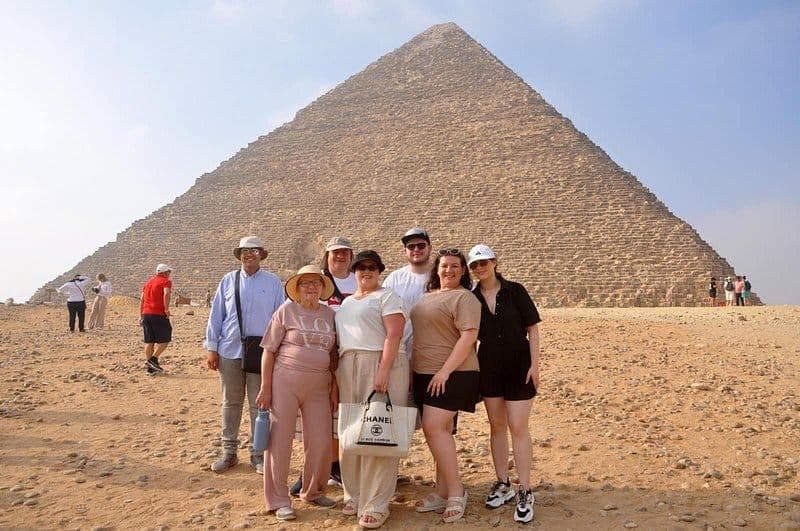
The Great Pyramids of Giza: The Complete Visitor's Guide for 2026
The Great Pyramids of Giza: The Complete Visitor's Guide for 2026
Introduction
Standing proudly on the edge of the Sahara Desert, the Great Pyramids of Giza are among the world's most extraordinary landmarks. Built more than 4,500 years ago, these magnificent monuments have fascinated travelers, historians, and archaeologists for centuries.
Recognized as the only surviving Wonder of the Ancient World, the Giza Pyramid Complex welcomes millions of visitors every year. Whether you're passionate about ancient history, photography, or cultural experiences, visiting the pyramids is an unforgettable highlight of any trip to Egypt.
This guide covers everything you need to know before visiting the Great Pyramids of Giza.
Where Are the Pyramids of Giza?
The Giza Plateau is located approximately 15 kilometers (9 miles) southwest of downtown Cairo, making it an easy day trip from the capital.
The complex overlooks the expanding city while preserving one of humanity's greatest architectural achievements.
The History of the Great Pyramids
The pyramids were constructed during Egypt's Fourth Dynasty as royal tombs for powerful pharaohs.
The complex includes three main pyramids:
The Great Pyramid of Khufu (Cheops)
The Pyramid of Khafre
The Pyramid of Menkaure
Construction required incredible engineering skills, with millions of limestone blocks carefully transported and assembled.
Despite centuries of research, many aspects of their construction remain a mystery.
The Great Pyramid of Khufu
The Great Pyramid is the largest and oldest pyramid in Egypt.
Originally standing at approximately 146.6 meters (481 feet), it remained the tallest man-made structure in the world for nearly 4,000 years.
Visitors can enter the pyramid and walk through narrow passages leading toward the King's Chamber, offering a unique glimpse into ancient Egyptian engineering.
The Pyramid of Khafre
Although slightly smaller than Khufu's Pyramid, Khafre's Pyramid appears taller because it stands on higher ground.
It is easily recognized by the remaining limestone casing still visible near its summit.
This pyramid is closely associated with the Great Sphinx.
The Pyramid of Menkaure
The smallest of the three major pyramids, Menkaure's Pyramid showcases refined architectural techniques and marks the final phase of pyramid construction on the Giza Plateau.
Its surrounding satellite pyramids were built for queens and royal family members.
The Great Sphinx
Guarding the pyramids is the legendary Great Sphinx, carved from a single block of limestone.
Featuring the body of a lion and the face believed to represent Pharaoh Khafre, the Sphinx has become one of Egypt's most recognizable symbols.
Visitors can admire the monument from several viewpoints throughout the archaeological site.
Can You Go Inside the Pyramids?
Yes.
Visitors may purchase separate entrance tickets to explore selected pyramids.
Inside, you'll experience:
Ancient corridors
Burial chambers
Original stone architecture
Narrow ascending passages
Those with mobility concerns should note that the passages can be steep and confined.
Best Time to Visit
The best months to visit are:
October
November
December
January
February
March
April
During these months, temperatures are comfortable for walking and outdoor exploration.
For the best experience, arrive early in the morning to avoid crowds and enjoy softer lighting for photography.
Opening Hours
The Giza Plateau is generally open daily from early morning until late afternoon.
Opening hours may vary slightly depending on the season and public holidays, so it's always a good idea to confirm before your visit.
Ticket Information
General admission includes access to the archaeological site.
Additional tickets may be required for:
Entering the Great Pyramid
Entering Khafre's Pyramid (when available)
Entering Menkaure's Pyramid (when available)
Student discounts may be available with valid identification.
Things to Do at the Pyramids
Visitors can enjoy a wide range of activities:
Explore the ancient pyramids
Visit the Great Sphinx
Take panoramic photographs
Ride a camel or horse
Visit nearby museums
Watch the Sound and Light Show
Enjoy guided historical tours
Photography Tips
The pyramids are one of the most photographed landmarks in the world.
For incredible photos:
Visit shortly after sunrise.
Use the panoramic viewpoint.
Bring a wide-angle lens if possible.
Capture both the pyramids and Cairo skyline.
Stay hydrated while exploring under the sun.
Nearby Attractions
After visiting the pyramids, consider exploring:
The Grand Egyptian Museum
Saqqara Necropolis
Dahshur Pyramids
Memphis Open-Air Museum
Cairo Citadel
Khan El Khalili Bazaar
These attractions complement your understanding of Egypt's ancient civilization.
Travel Tips
To make the most of your visit:
Wear comfortable walking shoes.
Bring sunscreen and sunglasses.
Carry bottled water.
Respect archaeological barriers.
Consider hiring a licensed Egyptologist guide for deeper historical insights.
Keep your camera fully charged.
Frequently Asked Questions
How long should I spend at the Pyramids?
Most visitors spend between three and five hours exploring the site.
Are the pyramids suitable for children?
Yes. Families frequently visit the site, although entering the pyramids may be challenging for very young children.
Can I ride a camel?
Yes. Camel and horse rides are available around the plateau through local operators.
Is a guide recommended?
A licensed guide can greatly enhance your visit by explaining the fascinating history and symbolism behind the monuments.
Final Thoughts
The Great Pyramids of Giza are far more than ancient monuments—they are a timeless symbol of human ingenuity, ambition, and civilization. Whether you're witnessing the sunrise over the desert, stepping inside the Great Pyramid, or standing before the majestic Sphinx, every moment spent here becomes a memory to treasure.
No trip to Egypt is complete without experiencing this extraordinary UNESCO World Heritage Site.
Call to Action
Ready to experience the Great Pyramids of Giza?
Join one of our expertly guided Egypt tours and discover the wonders of ancient Egypt with professional Egyptologists, comfortable transportation, and carefully planned itineraries designed to make your journey unforgettable.
Experience this destination firsthand
We organise private bespoke luxury tours matching the history and discoveries highlighted in this article.